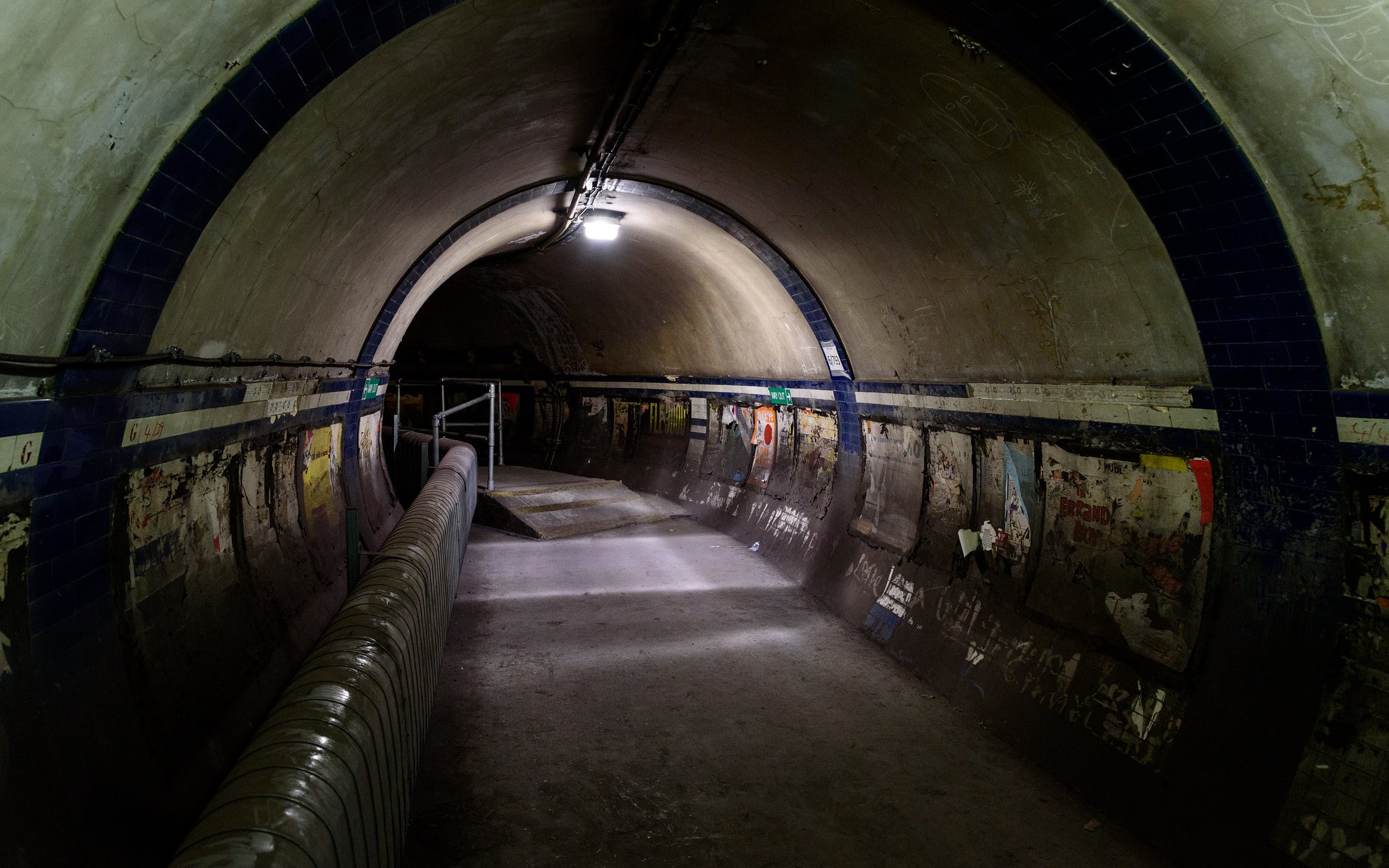
The London Underground is the oldest metro system in the world, opened in 1863, and it contains within its 250 miles of tunnels a secondary network that most passengers will never see — disused stations, abandoned platforms, sealed corridors and Victorian infrastructure that has been sitting in the dark since the last train ran through it decades ago. There are over 40 of these ghost stations beneath London. They are genuinely strange places.
Christopher Smith's 2004 horror film Creep understood this instinctively. The premise — a woman falls asleep on a platform at Charing Cross, wakes to find herself alone in a locked station and discovers she is not actually alone — works because the London Underground's late-night atmosphere requires almost no cinematic enhancement to become terrifying. Anyone who has stood on an empty platform at 11pm waiting for the last train will confirm that the film is not exaggerating the ambient dread. It is simply making it explicit.
The film was shot with full permission from Transport for London across two of the network's key disused locations — the closed Jubilee Line platforms at Charing Cross and the Aldwych branch station — and the result is one of the most accurately claustrophobic depictions of the Underground ever committed to film. This guide covers where the film was shot, how to visit the locations legally and above ground, and the broader context of Victorian London that gives the underground its particular atmosphere.
Where Creep Was Actually Filmed
The film uses two primary locations, both accessible to the production because Transport for London operates a Film Office that grants access to disused stations for approved productions. Director Christopher Smith received a minor electric shock during filming when he stood on a conductor rail that still had residual power, which is either a testament to the authenticity of the locations or a persuasive argument for better site safety briefings.
Charing Cross Underground Station — the operational Charing Cross station on the Jubilee and Northern Lines provided the film's opening sequences and booking hall. The disused northbound Jubilee Line platform, which closed in 1999 when the Jubilee Line was extended eastward and the Charing Cross stop was decommissioned from that line, provided the empty platform sequences. This disused platform is below the operational station and is regularly used for film and television productions — it has appeared in numerous other productions since Creep.
Aldwych Station — the Aldwych branch station in WC2, a spur off the Piccadilly Line that closed permanently in 1994, provided the deeper tunnel sequences, running tunnels, lift shafts and stairs. The signal cabin seen in one of the film's more disturbing sequences was a mock-up built at Aldwych and dressed to represent Down Street station on the Piccadilly Line. The film's poster — a bloody hand sliding down a tube train window — was banned from display on the Underground network by Transport for London management, who apparently felt that advertising a horror film set on the Underground was bad for the atmosphere. The producer described this as highly amusing given that the film's events, if real, would be considerably worse for the atmosphere than the poster.
Can you visit? The disused platforms at Charing Cross are not publicly accessible. Aldwych station, however, opens for public tours through the London Transport Museum's Hidden London programme — the most legitimate and impressive way to see what Creep was actually filmed in. These tours sell out months in advance. Book early.
The Hidden London Programme — How to See the Real Locations
📍 Book the experience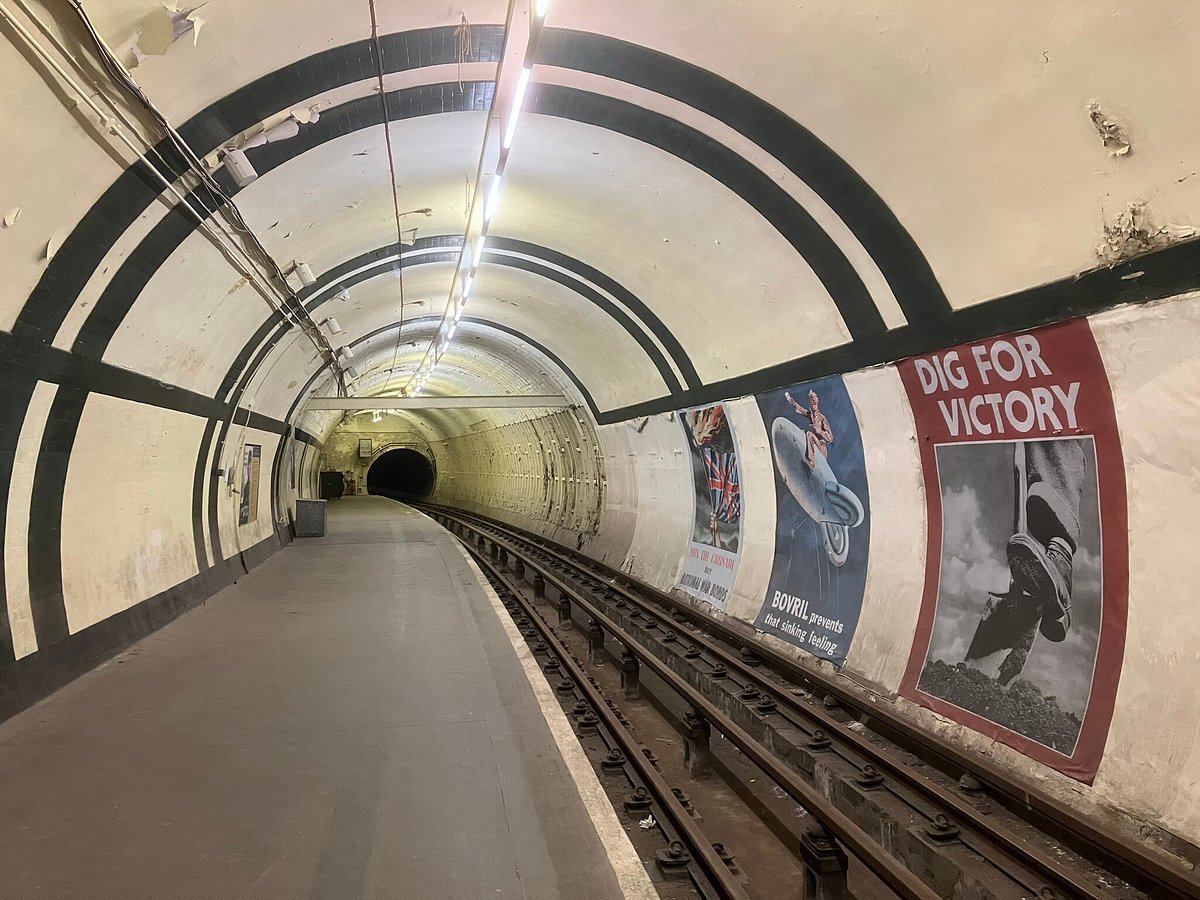
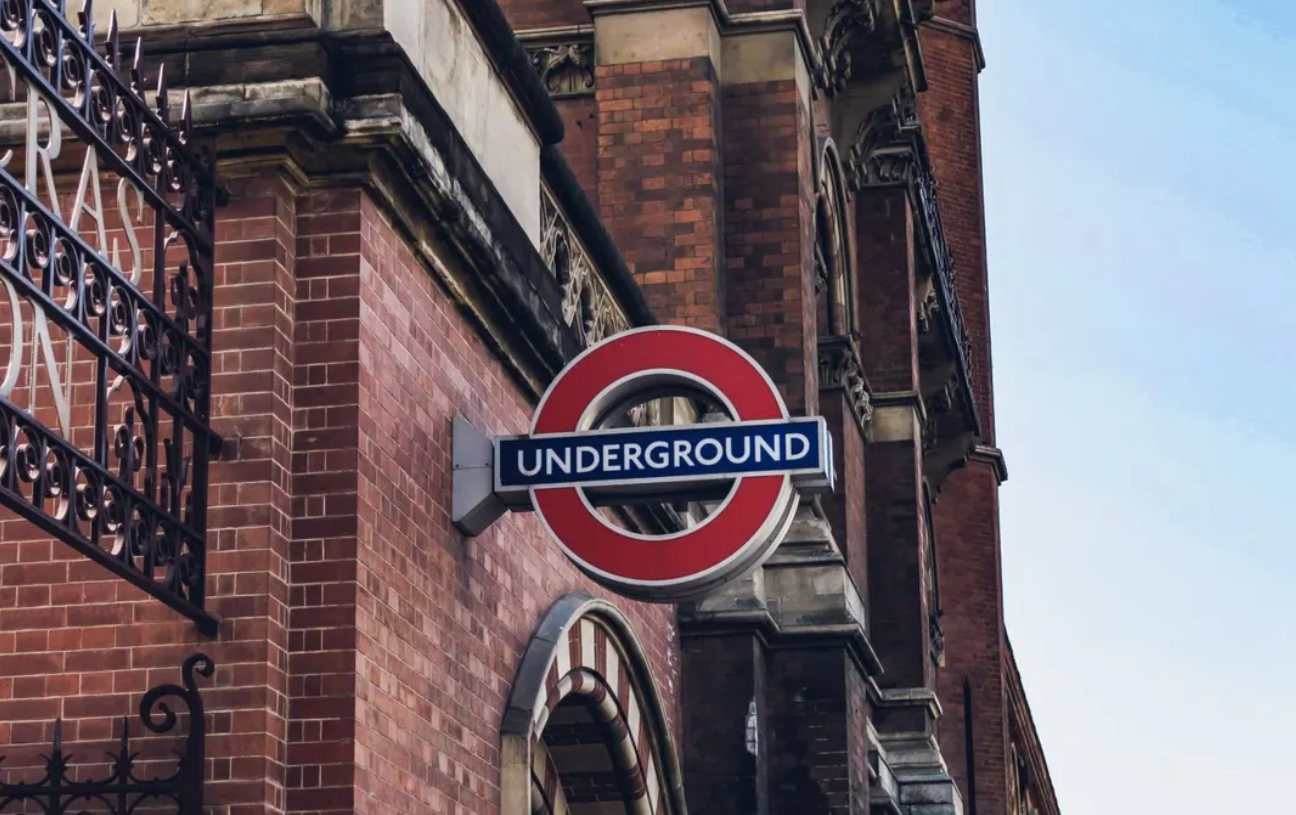
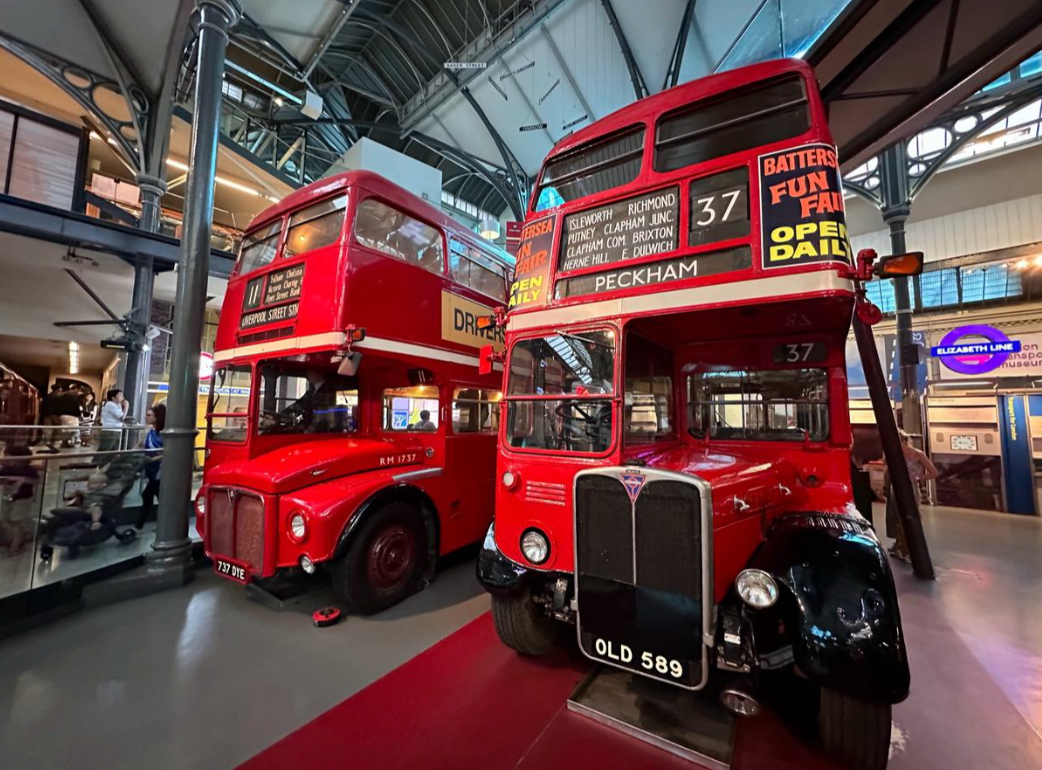
The London Transport Museum runs a series of tours called Hidden London that take small groups into disused stations across the network. Aldwych — one of Creep's primary filming locations — is on the tour roster and is one of the most popular. The tours go through the original 1905 lifts, the disused platforms, the tunnels and the general infrastructure of a station that stopped receiving passengers in 1994 and has been preserved largely as it was.
Aldwych has a history beyond Creep. During the Second World War it served as a shelter for civilians and for art treasures from the British Museum and other London institutions. The Elgin Marbles were stored here for part of the war. The disused platforms still carry the traces of this history alongside the film and television history accumulated since closure.
Other Hidden London tours cover Down Street station on the Piccadilly Line — the station the signal cabin in Creep was dressed to represent — which served as Winston Churchill's emergency headquarters before the Cabinet War Rooms were established. Brompton Road, Jubilee Line tunnels, and various other disused sections of the network are also available through the programme at different points in the year.
Tickets for Hidden London tours cost between £30 and £50 depending on the tour and must be booked through the London Transport Museum website. They sell out extremely quickly when new dates are released. The museum's mailing list is the most reliable way to get advance notice.
Victorian London Above Ground — The Context for Everything Below It
The London Underground's claustrophobia is inseparable from the Victorian London that created it. The network was built beneath a city that was already densely developed — the engineers had to tunnel under existing buildings, rivers, sewers and the accumulated infrastructure of centuries of occupation. The result is a system that bends, dips and narrows in ways that a purpose-built metro would never do, following the path of least resistance through Victorian London rather than the most efficient route through a modern one.
Understanding this context makes visiting the filming locations considerably more interesting. The areas around Charing Cross and Aldwych are among the most historically layered in London, and exploring them above ground before or after a Hidden London tour gives the underground experience a frame of reference that the film itself largely ignores in favour of getting on with the horror.
Charing Cross station and surrounds — the operational Charing Cross station on the Strand is a Victorian terminus with an Eleanor Cross replica in its forecourt — a reproduction of one of the twelve memorial crosses erected by Edward I in 1291 to mark the resting places of his wife's funeral cortège. The original Charing Cross, the last and most elaborate of the twelve, stood roughly where the station is now. The replica was built in 1865 when the station opened. This is the kind of historical layering that London does without thinking about it.
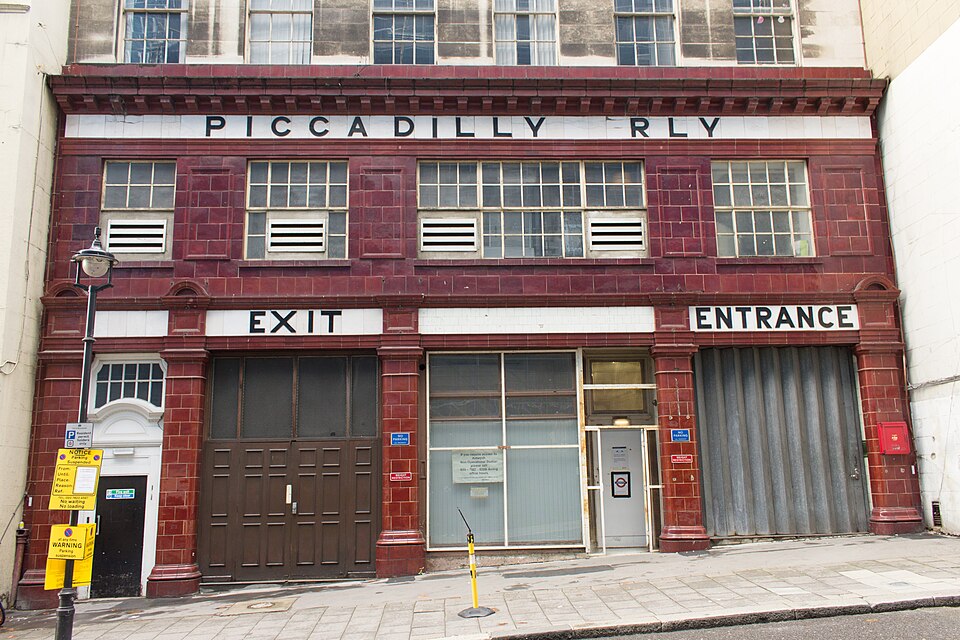
The Strand and Covent Garden — a ten-minute walk from Charing Cross takes you through one of Victorian London's key commercial thoroughfares. The Savoy Hotel, the Lyceum Theatre and the former site of the Strand Music Hall are all within easy reach. Covent Garden, one stop north on the Piccadilly Line, has its own disused station — the original Covent Garden station building on Long Acre is now a shop but still bears the distinctive Leslie Green ox-blood terracotta tile facade that marks most of the original deep-level tube stations.
Other Underground Horror Locations in London
Creep was not the first horror film to recognise the London Underground's potential and will not be the last. The 1981 film An American Werewolf in London filmed its famous chase sequence on the actual Central Line at Tottenham Court Road station. Death Line (1972), a British horror film with a not entirely dissimilar premise to Creep, used Russell Square station. The 1967 film Quatermass and the Pit used the fictional Hob's Lane station whose premise — that ancient underground infrastructure conceals something that should not be disturbed — feels entirely plausible if you have spent any time in the older parts of the network.
A self-guided above-ground tour of London Underground horror film locations would cover Tottenham Court Road (American Werewolf), Russell Square (Death Line), Charing Cross (Creep) and the exterior of Aldwych station (Creep, Atonement, various others). All four are within a thirty-minute walk of each other and can be combined with the Hidden London tour for a comprehensive day of underground film history.
Planning Your Creep London Visit
- Book a Hidden London tour at Aldwych — london.gov.uk/hidden-london. They sell out months ahead.
- Charing Cross Underground station — visit the operational station and booking hall where the film opens. Free to enter if you have an Oyster card.
- Aldwych station exterior — The Strand at Aldwych. The Leslie Green facade is still there. The station is recognisable from the film's exterior shots.
- Down Street station — Mayfair. The exterior on Down Street is visible from the street. Not open for regular tours but occasionally included in Hidden London programming.
- Tottenham Court Road — Central Line platform. American Werewolf in London (1981) filming location.
- London Transport Museum — Covent Garden Piazza. Covers the full history of the Underground including its disused stations. Highly recommended before a Hidden London tour.
- Fly into Heathrow (Piccadilly Line direct to central London) or Gatwick (Thameslink to London Bridge/St Pancras).
Staying in London
✈️ Getting there & staying
The Strand and Covent Garden area puts you within walking distance of Charing Cross station and Aldwych — both filming locations — and within easy tube distance of everything else. Hotels in this area tend towards the expensive end of the London market, which covers a very wide range. The Savoy is immediately adjacent and has been accommodating visitors since 1889. More affordable options are available in the Bloomsbury area to the north, which adds the British Museum and its own Victorian infrastructure to the itinerary.
London is a city that rewards people who look at what is above them — the ornate Victorian terracotta, the Edwardian commercial architecture, the occasional Georgian square that survived everything — and equally rewards people who think about what is below them. The Underground is down there. Most of it is exactly what you expect. A small but significant portion of it is considerably stranger than you would imagine from the surface. Creep understood this. The Hidden London programme will show it to you.